
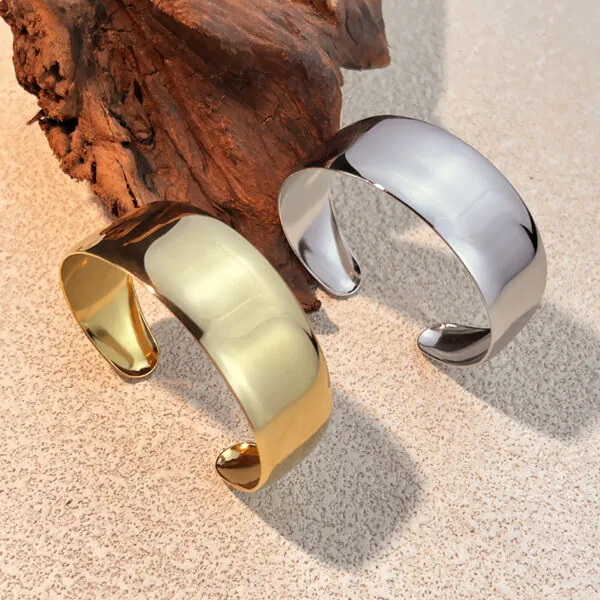
Paying for samples that never turn into real orders feels like throwing cash into a workshop trash bin. Some buyers request five different designs from multiple shops, spend hundreds on shipping and production fees, and still end up with pieces that don’t match their expectations. The trick isn’t ordering fewer samples—it’s knowing exactly what to ask for and how to inspect each piece before committing to mass production. A smart approach saves both time and budget.
What to Specify Before the Sample Run Starts
Vague requests like “send me a few necklace samples” invite confusion. A serious stainless steel jewelry manufacturer needs exact details: thickness, width, surface finish (brushed, mirror, matte), closure type, and any plating requirements. One buyer learned this after receiving polished samples when they requested sandblasted finishes—the supplier had no way of knowing otherwise. For custom stainless steel jewelry manufacturers, also provide a tech pack or reference image with dimensions. Without those specifics, the sample might look nice but fail to represent what production pieces will actually be. Also ask upfront: is the sample fee refundable against a bulk order? Many shops offer that credit, which reduces wasted spend.
How to Physically Evaluate a Sample Like a Pro
When the sample arrives, don’t just look at it. Handle it. Wear it for a few days. Check how the clasp feels after fifty openings—cheap springs wear out fast. A reliable stainless steel jewelry manufacturer will send samples that match the exact gauge and weight of production pieces. Run a magnet over it; genuine 316L stainless has very low magnetic response. Also check edges and undercuts. One production manager shared a trick: rub the sample against a piece of white paper. Rough burrs leave scratches, meaning the finishing stage needs work. For custom stainless steel jewelry manufacturers, request a “first article inspection” report that lists measured dimensions against your drawing. If they can’t provide that, consider that a red flag.
Comparing Multiple Suppliers Without Getting Overwhelmed
Ordering three samples from three different shops is smart, but only if you evaluate them side by side using the same criteria. Create a simple scorecard: surface consistency, weight accuracy, plating adhesion (scratch a hidden area gently), and engraving sharpness. One jewelry brand discovered that the cheapest sample actually had thinner plating that failed a simple tape-pull test. That small test saved them from a 20,000-piece disaster. Also compare lead times for sample revisions. A responsive stainless steel jewelry manufacturer will tweak a sample and reship within a week; slower shops might take a month. That speed difference often predicts how they’ll handle production changes later.
Requesting and evaluating samples isn’t about finding a perfect piece on the first try. It’s about spotting which supplier pays attention to details and communicates clearly. Star Harvest treats each sample as a mini production run—they provide exact material certs, finish references, and fast revisions so buyers can evaluate with confidence and avoid throwing money at guesses.
