
A hardware project can look very different at the start and near production. One team may already have a tested PCB and detailed manufacturing files. Another may only have a product concept and a list of required functions. These two situations call for different types of support. This is why the choice between EMS and ODM should be made according to the project’s development stage, not simply the expected production volume.
The difference is mainly about responsibility. EMS usually focuses on manufacturing a customer’s existing design. ODM can take part in product development as well as production. Knowing where each model fits can help founders, engineers, and design companies plan resources more clearly and avoid choosing a service that does not match their current needs.
What Does EMS Cover?
EMS is generally built around an existing product design. The customer provides technical documents such as PCB files, component information, drawings, and production specifications. The manufacturing partner then handles activities related to production, which may include sourcing, PCB assembly, testing, and final assembly.
For a company that has already completed its engineering work, electronics manufacturing services can provide production support without requiring the company to establish its own factory. The product owner normally keeps control of the design while the manufacturing partner focuses on turning that design into a repeatable production process.
Production engineering can also be part of this process. The manufacturer may review component availability, assembly methods, or production documentation. These checks can reveal issues that are easier to address before a product enters regular manufacturing.
When Is EMS a Better Fit?
EMS can make sense when a product has reached a relatively mature development stage. For example, a hardware team may already have a validated PCB, enclosure drawings, firmware, and testing procedures. At this point, the main challenge may be sourcing components and managing consistent production.
Internal resources are another factor. A company may have experienced engineers but no production department. Outsourcing manufacturing allows its technical team to focus on product improvements while the manufacturing partner manages factory operations.
The expected production process should also be considered. If a product requires several assembly steps, functional testing, and component sourcing, the manufacturer needs to understand these requirements before production starts. Clear documentation helps both sides manage changes during the manufacturing cycle.
How Does ODM Work?
ODM covers a broader part of the development process. Instead of starting with a finished design, the customer can bring an idea, product requirement, or early concept. The ODM partner may then contribute to hardware development, PCB design, prototyping, engineering changes, and manufacturing preparation.
This approach can be useful for teams with limited engineering resources. A startup, for instance, may know what functions its device should provide but may not have specialists for every technical area. An ODM partner can contribute engineering resources while the customer remains involved in product decisions.
The development process should still have clear boundaries. Product specifications, testing requirements, design ownership, and approval procedures should be discussed before development begins. These details help prevent misunderstandings when a prototype moves toward production.
Where Does JDM Enter the Picture?
JDM, or Joint Development Manufacturing, takes a collaborative approach. The customer and manufacturing partner work together during product development instead of separating design and production responsibilities completely.
This model can suit a design company that has strong product knowledge but needs additional manufacturing engineering support. DFM evaluation is one example. Engineers can review a design from a production perspective and suggest changes related to component placement, assembly, materials, or manufacturing processes.
JDM can therefore fill the space between a fully completed customer design and a project that needs extensive external development. The exact division of work depends on the technical resources and requirements of both sides.
What Happens Between Prototype and Mass Production?
The transition from prototype to production often brings new practical questions. A prototype may prove that a product works, but production introduces concerns such as component supply, assembly time, testing procedures, and manufacturing consistency.
A supplier that can support several stages may reduce the number of handoffs between different companies. This is particularly relevant for compact electronic devices, connected products, wearables, and other hardware that combine several technical elements.
How Should Cost and Control Be Compared?
Price alone does not define the better model. A project can incur costs through engineering changes, prototype revisions, tooling, component sourcing, testing, and production preparation. These factors should be considered alongside the manufacturing price.
EMS usually gives the customer stronger control over an established design because the production partner works from customer-provided specifications. ODM involves more development collaboration, which can reduce the amount of engineering work handled internally.
For companies comparing an electronic manufacturing service with ODM, the key issue is therefore responsibility. A team with a finished design may need manufacturing capacity. A team with an early concept may need engineering support before production can begin.
Why Does DFM Matter?
Design for Manufacturing, or DFM, connects product engineering with factory processes. A design may work during prototyping but still require changes before it is suitable for repeatable production.
DFM reviews can examine component selection, PCB layout, assembly methods, enclosure structures, and other production details. Finding these issues earlier can reduce unnecessary redesign work later in the project.
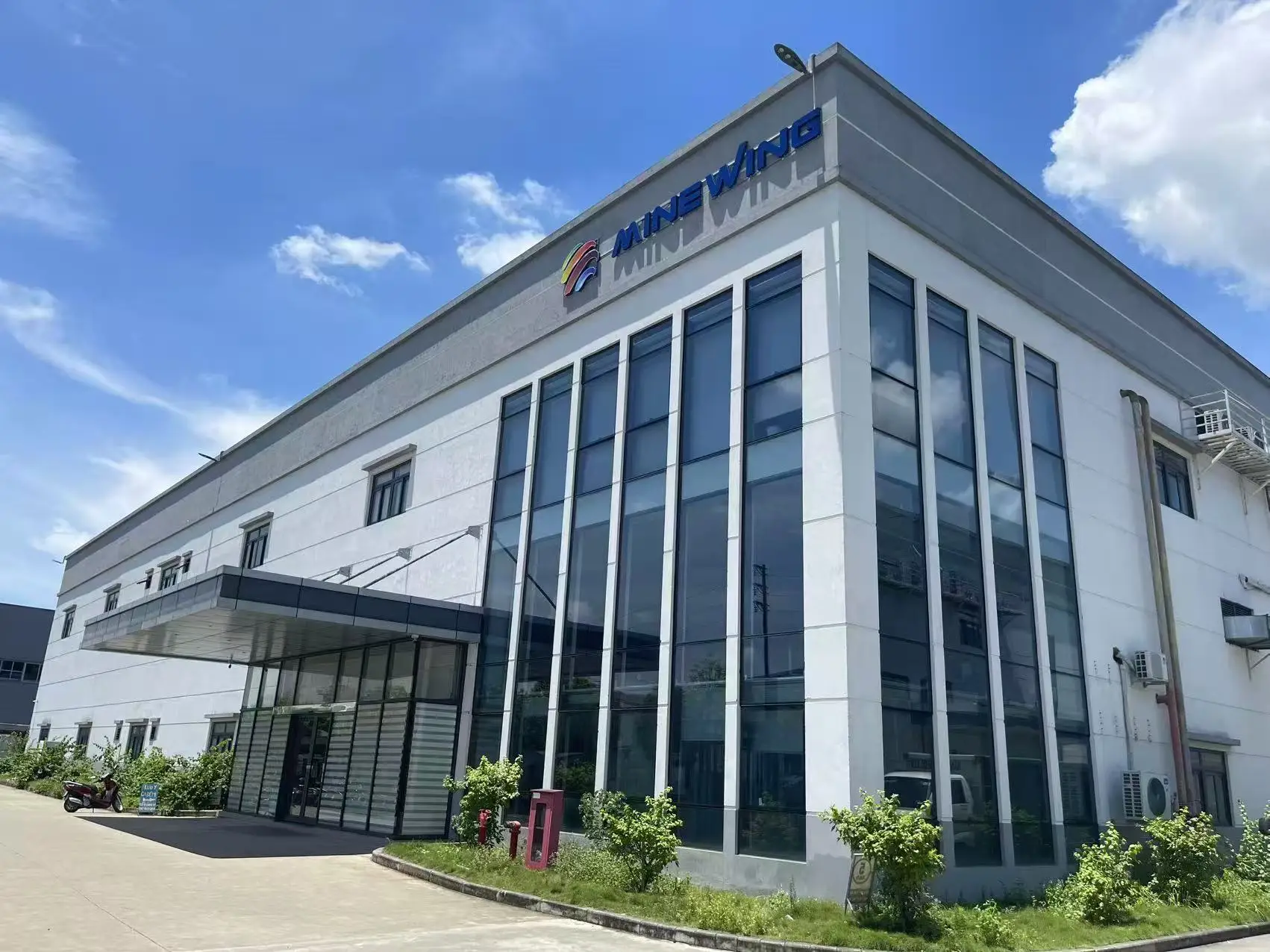
Minewing includes DFM evaluation, rapid prototyping, development, and manufacturing within its service structure. It also states that its production model does not require a fixed MOQ. This can give projects at different stages more flexibility when planning prototypes and production quantities.
Choosing Based on Project Stage
The better choice depends on what the hardware project already has. EMS is a practical option when the design is complete and the main requirement is production support. ODM can fit projects that need engineering and manufacturing involvement from an earlier stage. JDM provides another route when the customer and supplier want to share development responsibilities.
Before making a decision, teams should review their internal engineering resources, product maturity, prototype requirements, production plans, and desired level of control. They should also clarify quality procedures, testing responsibilities, design ownership, and change management.
For a mature design, manufacturing support may be the logical next step. For an idea that still needs engineering work, ODM can provide a wider development path. Ultimately, there is no universal “best” manufacturing model. Hardware teams should select EMS, ODM or JDM based on their existing design completeness, internal engineering capacity and long‑term production roadmap.
