
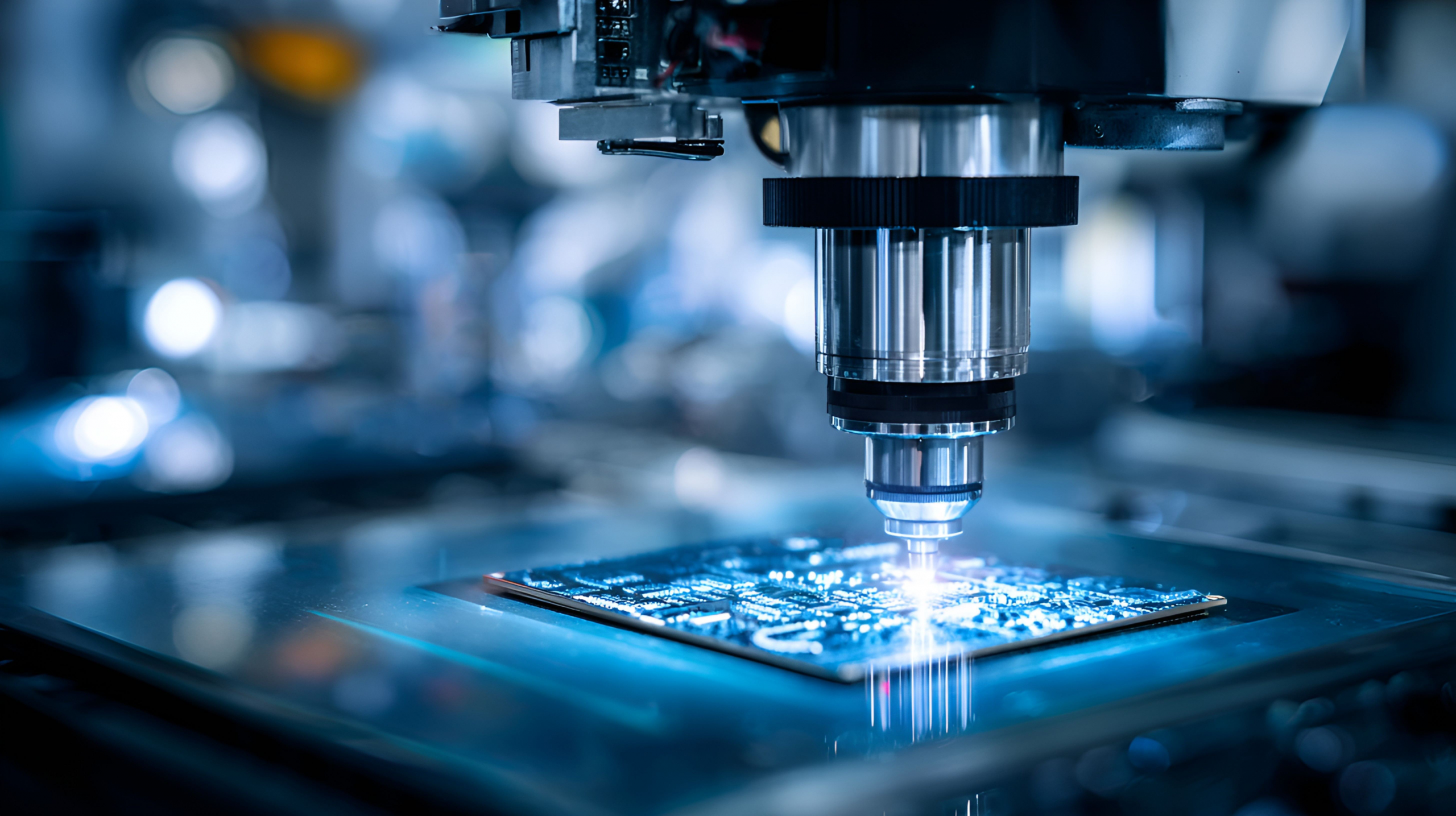
The evolution of laser technology has significantly influenced various industrial applications, particularly in the field of micromachining. Among the laser types commonly utilized, femtosecond lasers and picosecond lasers stand out due to their high precision and efficiency. Understanding their differences can aid businesses in selecting the most suitable solution for intricate machining tasks.
Understanding Femtosecond Laser Technology
Femtosecond laser technology involves the generation of ultra-short light pulses, typically in the range of 10^-15 seconds. These lasers can achieve remarkable precision by inducing minimal heat-affected zones, which is crucial when working with delicate materials. The JPT-LIT 20 Femtosecond Laser, with its output range of 3-20W, exemplifies this technology by offering high average power in an air-cooled format. This innovative design not only enhances operational efficiency but also ensures reliability and maintenance-free usage, critical for industrial operations.
The Advantages of Picosecond Lasers
In contrast, picosecond lasers emit shorter pulses than traditional nanosecond lasers, yet longer than femtosecond lasers, typically operating in the range of 10-12 seconds. This slightly longer pulse duration can still result in effective machining capabilities. Picosecond technology generally finds its niche in applications where greater thermal energy absorption is beneficial, such as in material removal processes. However, the precision of femtosecond laser technology often proves superior for applications requiring intricate detail and minimal collateral damage.
Key Considerations for Micromachining Applications
Selecting the right laser technology for micromachining applications depends on multiple factors, including material type, desired precision, and the specific characteristics of the machining environment. The operational speed and energy of the lasers also play significant roles in ensuring that production efficiency meets the demands of the industry. While JPT’s femtosecond lasers provide a potent solution for ultra-precise applications, organizations must weigh the benefits of each laser type based on their unique requirements and operational conditions.
Conclusion
In summary, both femtosecond and picosecond lasers offer distinct advantages for various micromachining tasks. While femtosecond lasers like the JPT-LIT 20 are designed for ultra-precise applications with minimal thermal impact, picosecond lasers may be advantageous for specific scenarios where controlled thermal effects are advantageous. Ultimately, understanding these technologies allows businesses to optimize performance, enhance productivity, and meet the rigorous demands of modern manufacturing processes.
