
Golf carts are no longer limited to golf courses. Today, they are widely used across resorts, campuses, parks, and industrial facilities where quiet, efficient mobility is essential. As usage scenarios expand, expectations for battery performance are also increasing.
For most users, battery life is not just about how long a cart runs on a single charge. It also includes long-term durability, maintenance requirements, and how consistently the system performs over time. This is where lithium battery technology is reshaping how golf cart power systems are evaluated.
Why Battery Type Plays a Critical Role
The choice between traditional lead-acid and lithium batteries has a direct impact on both performance and lifespan. While lead-acid batteries remain common, they often require more maintenance and tend to degrade faster under frequent use.
Lithium batteries offer a different approach. They are designed to deliver higher energy efficiency, reduced weight, and more stable output. These characteristics not only improve driving performance but also contribute to longer battery life in practical applications.
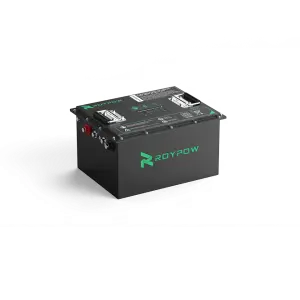
When comparing options like 48 Volt Golf Cart Batteries, many users now look beyond initial cost and focus more on efficiency, reliability, and long-term value.
Lightweight Design, Noticeable Performance Gains
Battery weight can significantly influence how a golf cart handles. Heavier systems place more strain on the motor and reduce overall efficiency, especially on uneven terrain or during frequent stop-and-go operation.
Lithium batteries are typically much lighter than lead-acid alternatives. This reduction in weight helps improve:
- acceleration and responsiveness
- energy efficiency during operation
- overall handling, especially on slopes
- reduced wear on mechanical components
For users operating carts across large or varied environments, these improvements can make daily use more efficient and comfortable.
Extended Range for Larger Operating Areas
Range is another key factor in evaluating battery performance. A battery that supports longer travel distance per charge reduces interruptions and improves productivity.
In real-world scenarios, lithium batteries can provide extended mileage depending on load, terrain, and driving conditions. This makes them particularly suitable for:
- large golf courses
- university campuses
- resorts and hospitality environments
- industrial or maintenance operations
A longer range ensures that users can complete tasks or full rounds without needing to recharge frequently.
Longer Lifespan, Fewer Replacements
Battery lifespan plays a major role in long-term cost planning. Traditional lead-acid batteries typically require replacement every few years, especially under heavy or frequent use.
Lithium batteries, however, are designed for significantly longer service life when properly managed. This extended lifespan helps reduce:
- replacement frequency
- maintenance-related downtime
- labor costs associated with battery changes
- overall lifecycle expenses
For both individual users and fleet operators, fewer replacements translate directly into better operational efficiency.
High Cycle Durability for Consistent Performance
Another important advantage of lithium batteries is their ability to handle a large number of charge cycles. Frequent charging and discharging can quickly degrade lower-quality batteries, leading to reduced capacity and inconsistent performance.
Lithium systems are built to withstand repeated cycles while maintaining stable output. This means users can rely on consistent performance even after extended use, which is especially valuable in high-demand environments.
Minimal Maintenance, Simplified Operation
Maintenance requirements often determine how convenient a battery system is to use. Lead-acid batteries typically require routine checks, including monitoring fluid levels and preventing corrosion.
Lithium batteries reduce this burden by offering a low-maintenance solution. Without the need for regular manual upkeep, users can focus more on operation rather than battery management.
This is particularly beneficial in commercial settings where multiple vehicles must remain ready for use with minimal intervention.
Environmental Considerations and Sustainability
As sustainability becomes a growing concern across industries, battery selection also plays a role in environmental impact. Lithium batteries generally offer a cleaner and more efficient alternative during operation compared to traditional systems.
Their longer lifespan also means fewer batteries are produced and disposed of over time, which contributes to reduced environmental impact. For organizations aiming to align with sustainability goals, this can be an important factor in decision-making.
A Practical Approach to Extending Battery Life
Improving golf cart battery life is not just about choosing a better product—it is about adopting a more efficient system overall. Battery type, usage patterns, charging practices, and system compatibility all work together to determine real-world performance.
Lithium technology provides a strong foundation for extending battery life while improving efficiency and reducing maintenance demands. For users looking to upgrade their golf cart systems, it represents a practical step toward more reliable and cost-effective operation over time.
