
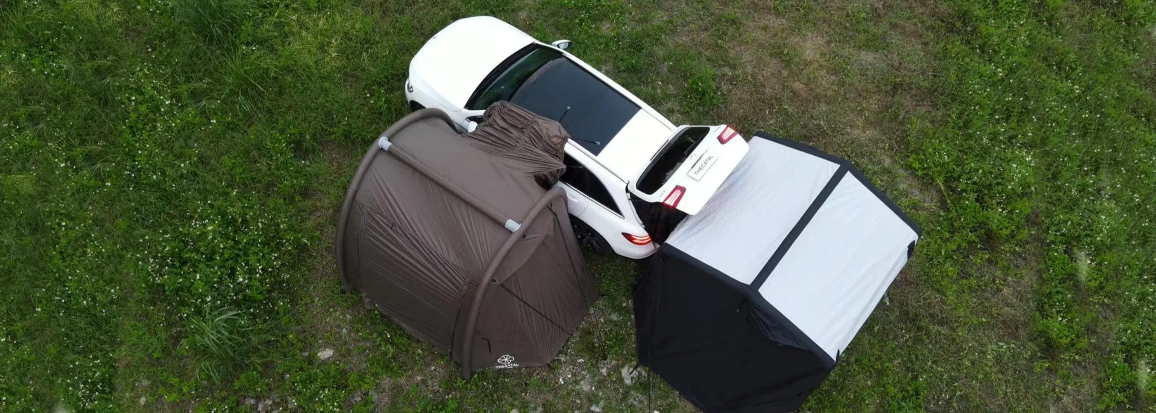
Car tail tents can make SUV camping more comfortable by extending usable living space around the vehicle. However, convenience depends heavily on correct setup, weather preparation, vehicle compatibility, and maintenance. Understanding common mistakes before the first trip can help campers avoid unnecessary damage, discomfort, and setup problems while getting more practical value from their outdoor shelter.
Choosing the Wrong Tent for the Vehicle
One common mistake is assuming that any vehicle-connected shelter will fit any SUV. Rear hatch dimensions, vehicle height, door opening direction, and attachment points can all affect compatibility. A shelter that does not align properly with the vehicle may leave gaps, create unnecessary tension, or make access difficult.
Before purchasing, users should check the manufacturer’s compatibility information and compare it with their vehicle specifications. Measuring the rear opening and surrounding area can also help confirm whether the tent will create a suitable connection.
For travelers building a flexible setup, car camping equipment should be selected according to both the shelter’s design and the specific vehicle being used.
THECATAL’s Smart Shell is designed for both electric and gasoline vehicles and can be configured as a rear tent, side tent, or standalone shelter, making the intended vehicle and installation mode important compatibility checks.
Setting Up on an Unsuitable Site
Another frequent mistake is choosing a campsite based only on convenience. Uneven ground, poor drainage, exposed locations, or areas with unstable objects can create problems for both the vehicle and tent.
A better approach is to inspect the site before unpacking the shelter. Look for relatively stable and level ground, adequate drainage, and enough room around the vehicle for doors, guylines, and entrances to function properly.
Users should also consider potential environmental hazards such as falling branches, flooding, or excessive exposure to strong winds. A few minutes spent evaluating the site can prevent more serious problems later.
Failing to Secure the Tent Properly
A car-connected tent may feel stable once attached to the vehicle, but the structure still needs appropriate anchoring. Wind can place pressure on fabric and connection points, especially when the shelter creates a larger exposed surface around the SUV.
The car tail tent should be anchored according to manufacturer instructions, with stakes and guylines positioned correctly for the terrain. Loose guy points can allow excessive fabric movement, while poorly positioned anchors may reduce overall stability.
Users should inspect the anchoring system after setting up and again if weather conditions change. Proper tension should maintain the intended structure without placing excessive stress on seams or attachment points.
Ignoring Ventilation
Because a vehicle-connected shelter creates an enclosed outdoor living area, ventilation is easy to overlook. Multiple people sleeping or spending time inside can increase heat, humidity, and condensation.
Keeping all openings closed may provide more privacy, but it can also reduce airflow. Users should take advantage of the tent’s designed ventilation features, especially during warm or humid conditions.
Condensation should also be monitored in cooler weather. Wet clothing, cooking activities, and normal breathing can all introduce moisture into the shelter. Appropriate airflow can help manage this moisture and improve interior comfort.
Overloading the Interior
More space does not necessarily mean unlimited storage. Campers sometimes place too much gear inside a car tail shelter, restricting movement and putting unnecessary pressure on flooring or structural areas.
A better approach is to organize equipment according to frequency of use. Frequently accessed items can remain near entrances, while heavier gear can be stored in appropriate areas or retained inside the vehicle.
Keeping clear pathways also makes the shelter more comfortable and practical. A well-organized interior can provide more usable space than an overcrowded one of the same dimensions.
Neglecting Weather Changes
A common mistake is assuming that conditions will remain the same throughout a trip. Sunny weather during setup can quickly change into rain, strong wind, or lower temperatures.
Before installation, campers should review local conditions and consider how the shelter will respond to expected weather. Rain may require attention to drainage and entrances, while stronger winds require careful anchoring and tension checks.
When conditions become severe, users should follow the manufacturer’s instructions and prioritize personal safety rather than relying solely on the shelter’s advertised capabilities.
Packing the Tent While It Is Wet
One of the simplest mistakes can also create long-term problems. Packing a wet or damp tent after rain or condensation can lead to odors, mildew, and material deterioration during storage.
After a trip, the shelter should be opened, cleaned as appropriate, and dried completely before being packed away for extended storage. If immediate drying is impossible, it should be aired out as soon as practical after returning home.
This is especially important for users who regularly travel with the same equipment. Proper drying after each trip can make subsequent setup more predictable and reduce avoidable fabric problems.
Skipping Routine Inspections
Frequent use naturally creates wear. Zippers, seams, poles, attachment points, guylines, and stakes may gradually deteriorate even when no major damage is immediately visible.
A simple inspection before and after each trip can help identify small problems early. Users should look for loose stitching, bent components, damaged clips, stretched fabric, and signs of excessive friction.
THECATAL emphasizes practical outdoor equipment design, but proper maintenance remains an important part of product use. Equipment should be inspected according to the manufacturer’s recommendations, particularly after exposure to difficult weather.
Making Setup Faster Through Better Preparation
Another common issue is trying to learn the entire setup process after arriving at the campsite. This can turn a potentially simple installation into a frustrating one.
Users should familiarize themselves with the tent before the first trip. A trial setup at home can help confirm the connection points, identify required components, and establish an efficient assembly sequence.
Packing components in an organized manner can also shorten setup time. Keeping poles, stakes, ropes, and fabric together make it easier to confirm that nothing is missing before departure.
Smart Shell can be fully set up in about 3 minutes, so practicing the assembly sequence before departure can help users take advantage of its relatively quick deployment.
Fixing Mistakes Before They Become Bigger Problems
Most tail tent problems can be reduced through better preparation, correct installation, and regular maintenance. Users should match the tent to their vehicle, select a suitable campsite, secure all anchor points, maintain ventilation, monitor weather, and store the shelter properly.
Smart Shell measures 3.5m × 2.5m and weighs 12kg, giving users a practical basis for checking whether the shelter’s size and carrying requirements fit their planned trip.With these habits in place, SUV owners can get more reliable use from their outdoor shelter while reducing unnecessary wear and setup complications. THECATAL provides a useful reference for vehicle-oriented outdoor equipment, while careful user practices remain essential to creating a safe and comfortable car camping experience.
