
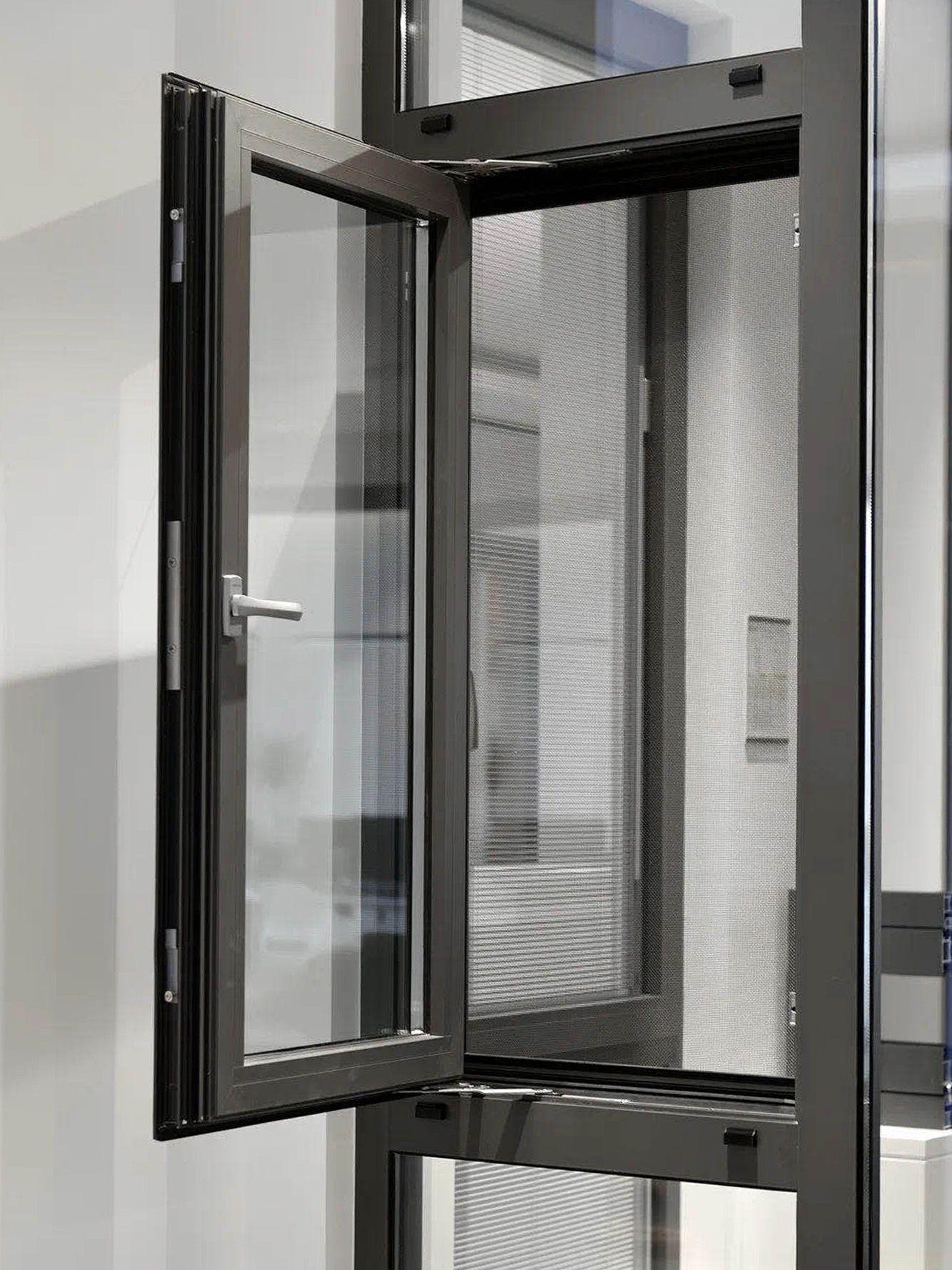
Architectural envelopes face continuous exposure to weather elements, fluctuating temperatures, and dynamic wind loads. The internal mechanical components securing these openings heavily influence the overall operational lifespan of the facade. Specifying highly resilient casement window hardware solution serves as a foundational step for modern property developers aiming to construct sustainable, low-maintenance commercial and residential buildings.
Metals naturally react to environmental pressures, frequently leading to oxidation, structural fatigue, or mechanical seizure over time. The transition to stainless steel casement window hardware solution addresses these fundamental metallurgical vulnerabilities. By prioritizing precise material grades during the specification phase, architects can significantly reduce the frequency of component failures and preserve the functional integrity of demanding architectural openings.
The Metallurgy of 304 Grade Components
Not all metals handle environmental stress equally. Standard carbon steel and lower-grade alloys often require thick surface coatings to resist rust, which can eventually chip or wear away during routine operation. When protective coatings fail, underlying metals quickly degrade, compromising both aesthetics and structural safety.
To combat this degradation, premium hardware sets heavily rely on 304-grade stainless steel for primary load-bearing elements. This specific alloy contains high levels of chromium and nickel, creating a passive oxide layer that actively resists continuous moisture exposure. Engineers at CMECH utilize this robust 4 mm-thick 304 stainless steel in their friction hinges and support arms. This material choice provides a resilient mechanical foundation capable of withstanding decades of frequent physical use without compromising the structural profile.
Load Management and Structural Integrity
Modern architectural trends favor expansive, uninterrupted glass surfaces to maximize natural daylighting. These large insulated glass units exert substantial static downward forces and experience intense dynamic stresses during high-wind events. Therefore, the specified casement window hardware solution must resist bending, warping, or elongating under continuous heavy loads.
Metals with lower tensile strength gradually deform under the prolonged cantilevered weight of an open outswing sash. High-grade stainless steel casement window hardware solution reliably retains its structural geometry. For instance, well-engineered milling‑free built-in hinges achieve a 50 kg rated load‑capacity per hinge. When implemented with compliant profiles and professional fabrication, this robust load‑handling greatly mitigates progressive sash‑droop risks that commonly trigger perimeter gasket failure and draft infiltration.
Friction Stays and Pivot Durability
The moving joints and pivot points within a window mechanism endure the most concentrated mechanical wear. Every opening and closing cycle generates friction across these critical junctions. In lower-grade metals, this repetitive action can cause galling—a form of severe adhesive wear where metal surfaces weld together and tear apart, leading to stiff, difficult operation.
Constructing friction stays and hinges from hardened stainless alloys mitigates this abrasive wear. Advanced component designs incorporate reinforced support arms and solid rivets that maintain tight tolerances over time. Systems developed by CMECH undergo rigorous operational endurance tests, frequently surpassing 35,000 open-and-close cycles. This extensive validation demonstrates that high-quality materials directly translate into smooth, bind-free operation for the end user.
Environmental Resilience in Demanding Zones
Buildings situated in coastal regions or highly industrialized urban centers face accelerated corrosion risks. Salt-laden air, heavy atmospheric pollution, and prolonged humidity actively attack exposed metal surfaces. In these aggressive microclimates, standard casement window hardware solution frequently degrades long before the surrounding building envelope requires maintenance.
To maintain functionality in these challenging zones, structural mechanisms require comprehensive material strategies. While exposed elements utilize corrosion-resistant steel, internal concealed components, such as drive gears, also require targeted protection. Manufacturers address this by applying advanced nano-blue surface treatments to high-quality carbon steel internal parts. This dual-layered material approach ensures that the entire mechanism, both inside and out, resists environmental degradation comprehensively.
Salt-Spray Testing and Cyclic Validation: Quantifying Material Grade Performance
Material grade claims must be validated through accelerated environmental testing rather than accepted from specification sheets alone. Salt-spray chambers simulate decades of coastal exposure in compressed cycles, while mechanical endurance rigs subject hinges and pivots to repeated open-and-close sequences that replicate years of residential or commercial use. These protocols expose how rapidly lower-grade alloys develop pitting corrosion and how quickly their pivot geometries degrade under cyclic fatigue.
CMECH subjects its 304-grade stainless-steel hardware solution to rigorous standalone verification within qualified test laboratories. Friction hinges and concealed hardware solution complete 2,000-hour salt-spray testing with no red‑rust formation, while drive-mechanisms and hinge assemblies are tested beyond 30,000 operational cycles under rated load. Subject to compliant profiles and professional fabrication, the complete window‑system achieves 5 000 Pa wind‑load validation. The upper‑hinge support arms (up to 3.5 mm thick) and anti‑derailment hooks retain structural alignment under dynamic pressure, translating high‑grade material properties into quantifiable field‑service reliability.
Lifecycle Costs and Procurement Strategy
From a facility management perspective, the initial procurement cost of hardware represents only a fraction of its total lifecycle expense. Premature mechanical failures lead to costly on-site repairs, compromised thermal efficiency, and decreased occupant satisfaction. Consequently, investing in premium stainless steel casement window hardware solution mitigates future financial liabilities and supports predictable maintenance schedules.
Standardizing on a cohesive, high-grade hardware ecosystem streamlines the construction phase for large developments. By specifying comprehensive solutions from CMECH, builders access a unified product family engineered for durability. This approach limits compatibility risks during installation and delivers a consistent, high-performing mechanical standard across the entire property, ultimately protecting the architectural investment.
All hardware specifications, performance data and material parameters are sourced from CMECH official product manuals and certified test reports.
