
City logistics is being reshaped by tighter emissions policies, rising delivery volumes, and the practical limits of crowded streets. Short routes, frequent stops, restricted parking, and varying cargo demands create a very different operating environment from long-distance freight. This is where electric utility vehicle manufacturers are placing greater attention on vehicle size, energy use, charging arrangements, and application-specific design. Wuling Motors provides a useful industry reference, while the broader shift reveals how electric mobility can become part of a more efficient urban logistics system.
Understanding The Urban Logistics Duty Cycle
Urban freight rarely follows one predictable pattern. A delivery vehicle may spend more time accelerating, stopping, loading, and maneuvering than cruising at a constant speed. Route length therefore tells only part of the story; stop density, average cargo weight, road conditions, and daily operating hours can influence vehicle suitability just as strongly.
Fleet planning benefits from examining the entire duty cycle before selecting equipment. A vehicle assigned to dense residential deliveries may require different dimensions and cargo arrangements from one serving supermarkets or industrial districts. This distinction explains why commercial vehicle manufacturers increasingly develop several configurations rather than relying on a single platform.
Charging also becomes easier to plan when routes are consistent. Vehicles returning to the same depot each day can potentially follow scheduled charging routines that correspond with operating hours. Such predictability gives fleet managers a clearer basis for assessing battery-electric transport.
Matching Electric Vehicles With Practical Delivery Needs
Battery capacity alone does not determine whether an electric vehicle works well for urban logistics. Cargo volume, payload, route length, charging access, and vehicle utilization need to be considered together. Oversized vehicles may carry unnecessary capacity, while undersized models can create additional trips and reduce operational efficiency.
Vehicle architecture has an important role in this balance. Compact dimensions can assist maneuverability on narrow roads, whereas a well-planned cargo compartment can make better use of limited vehicle space. This application-focused approach is increasingly relevant to electric utility vehicle manufacturers developing solutions for different urban duties.
Energy consumption should also be assessed against actual routes rather than treated as an isolated laboratory figure. Frequent acceleration, hills, traffic conditions, and auxiliary electrical loads can all affect real-world performance. Route records and fleet telematics can therefore provide useful information before electrification decisions are made.
A Practical Example From Wuling’s Commercial Portfolio
The commercial range listed by Wuling Motors illustrates how different vehicle formats can address different transport requirements. Its G050 BEV van is specified with 2.5 m³ of cargo capacity, a 192 km driving range, and 30-minute fast charging, while the G100-R BEV van provides 5.2 m³ of cargo capacity, a 252 km driving range, and 30-minute fast charging. The contrast demonstrates why cargo requirements should be considered alongside range when evaluating an electric delivery vehicle.
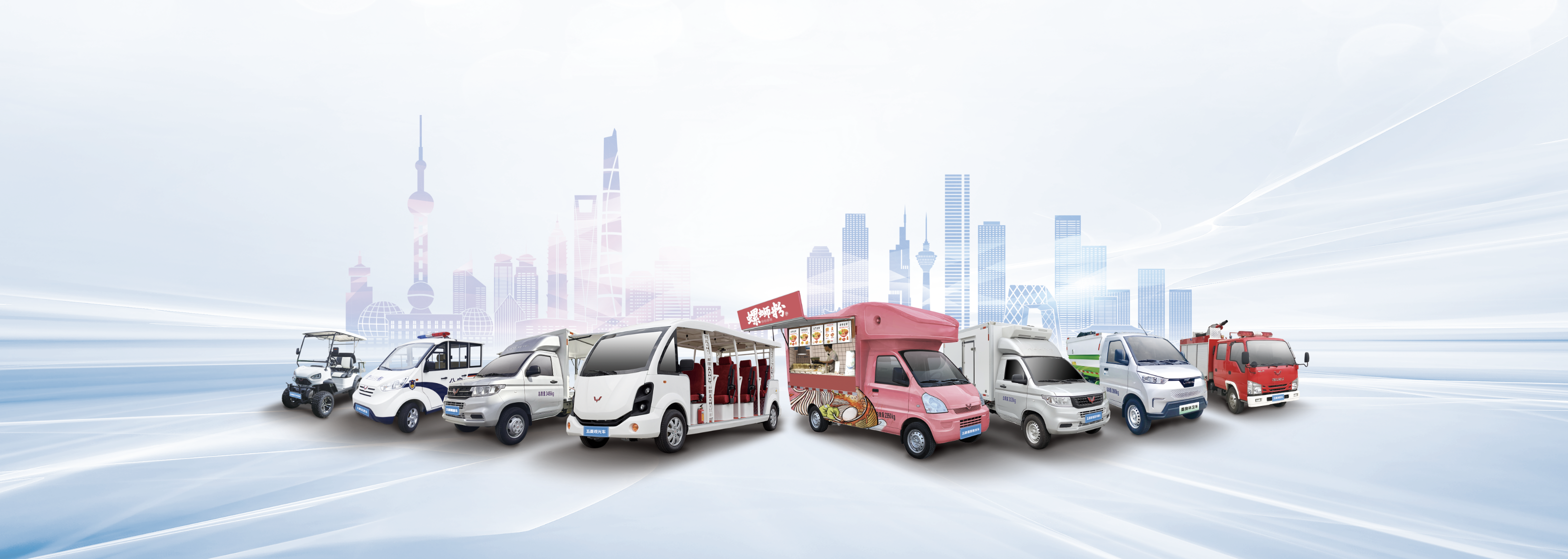
Such specifications are useful as examples rather than universal benchmarks. A compact delivery route with modest cargo demand may not benefit from the same configuration as a larger distribution operation. Wuling’s official specialized-vehicle portfolio also includes logistics vehicles, truck series, vending vehicles, and non-road vehicles, reflecting the variety of tasks that commercial transport equipment can serve.
Infrastructure Matters As Much As Vehicle Selection
Depot design can influence the practicality of an electric fleet. Available electrical capacity, charger placement, parking arrangements, and departure schedules all affect how easily vehicles can be integrated into daily operations. Charging infrastructure should therefore be considered during fleet planning instead of being added only after vehicle procurement.
Route scheduling offers another opportunity for optimization. Vehicles with predictable return times may charge during periods when they are normally inactive, while operations with irregular deployment patterns may require a different infrastructure strategy. The right arrangement depends on working hours and vehicle utilization rather than a universal charging model.
Service capability deserves attention as well. Electric fleets involve batteries, motors, power electronics, and charging systems, so technical support becomes part of long-term fleet planning. These considerations are increasingly relevant when comparing commercial vehicle manufacturers, particularly for businesses operating multiple vehicles across different locations.
Designing A Flexible Future For City Freight
Urban delivery will not have one universal vehicle requirement. Parcel distribution, food delivery, municipal services, mobile retail, maintenance work, and short-distance freight each impose different demands. Flexible vehicle portfolios can help operators select configurations according to route characteristics instead of applying the same solution everywhere.
Technology can support that flexibility through better fleet data. Information about daily mileage, charging behavior, cargo utilization, and stop frequency can reveal where electric vehicles are most suitable. Such evidence-based planning can also help businesses determine whether changes to vehicle size, route allocation, or charging schedules would deliver greater operational value.
The broader automotive ecosystem matters too. Wuling Motors‘ official business scope covers specialized vehicles, powertrain systems, automotive components, and intelligent driving, while its specialized-vehicle portfolio includes both new-energy and conventional applications. This combination reflects an industry moving toward integrated vehicle and component development rather than treating electrification as a standalone change.
From Vehicle Electrification To Smarter Logistics
Sustainable urban freight depends on more than replacing one propulsion system with another. The key question is not simply whether an electric vehicle can complete a route, but how its cargo capacity, stop frequency, charging access, and utilization align with the specific work assigned to it. As vehicle technology, infrastructure, and logistics planning become more closely connected, the strongest results come from treating these factors as a coordinated system rather than isolated decisions. Wuling Motors represents one example of how diversified commercial-vehicle development can respond to changing transportation requirements.
