
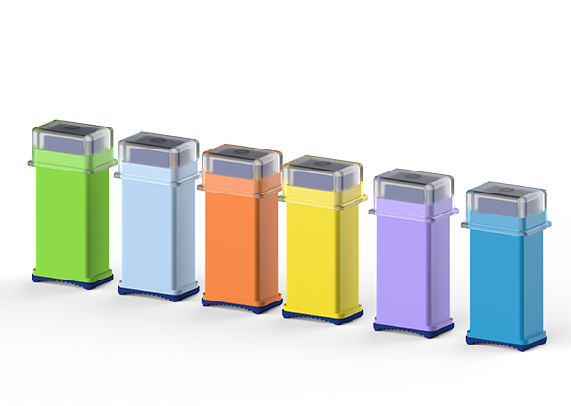
Blood sampling from the fingertip looks straightforward, yet small differences in site selection can influence the quality of the specimen and the comfort of the person being tested. A safety blood lancet is designed to support controlled capillary blood collection, while the finger chosen for puncture can affect blood flow, tissue sensitivity, and the need for excessive squeezing. SteriLance develops safety lancet solutions for professional and home-use blood sampling contexts, making site selection an important part of understanding how these devices are used rather than treating the puncture location as an insignificant detail.
Why Finger Choice Matters During Capillary Sampling
Not every fingertip responds to puncture in exactly the same way. The fingers contain different amounts of tissue, nerve endings, and blood vessels, while individual habits can also affect sensitivity. Frequent use of one finger may make it more sensitive after repeated testing, particularly when punctures are performed several times within a short period.
The sides of the fingertip are commonly considered when selecting a sampling site because they can provide access to capillary blood while avoiding the central pad, which tends to be more sensitive. Site selection should also take account of the person’s testing routine, previous puncture locations, and any instructions supplied with the relevant device.
Finger temperature has another practical influence. Cold hands can restrict peripheral circulation, making it harder to obtain an adequate sample. Warming the hand gently and washing it before sampling can support blood flow and reduce the need for excessive pressure. These simple preparation steps may matter just as much as the choice between adjacent fingers.
How Puncture Location Influences Sample Collection
The quality of capillary blood collection depends on more than simply obtaining visible blood. Excessive squeezing can introduce additional tissue fluid into the specimen and may make collection less consistent. A controlled puncture depth, suitable sampling site, and appropriate hand preparation can therefore work together to produce a more usable sample.
Repeated puncture in the same area may also contribute to localized tenderness. Rotating suitable fingers and puncture sites can help distribute the burden of routine testing. People who monitor blood glucose frequently may find this especially relevant because their hands can be exposed to repeated sampling over an extended period.
Device design contributes another layer to the process. Safety blood lancet systems commonly incorporate features intended to control the lancet’s movement and puncture action, reducing the amount of manual handling required during sampling. Even with such features, correct positioning and adherence to the device’s instructions remain important for obtaining a suitable specimen.
Beyond Finger Choice: Building Better Sampling Habits
Finger selection should not be viewed in isolation, as skin condition, circulation, age, testing frequency, and the amount of blood required by the test can all affect the sampling experience. Dry or damaged skin may respond differently from healthy skin, while poor peripheral circulation can make collection more difficult regardless of which finger is selected.
Hygiene is equally significant: hands should be clean before capillary sampling, with the sampling area prepared according to the applicable testing instructions, since residues from food, lotions, or other substances can interfere with certain measurements. The pressure used after puncture also deserves attention, as excessive squeezing is rarely a useful substitute for proper preparation; if blood flow appears insufficient, reassessing hand warmth, puncture positioning, and device use is more appropriate than simply applying greater pressure.
Consistent technique can make routine blood collection more predictable, and rather than automatically using the same fingertip, a sampling routine can distribute punctures among appropriate sites while avoiding areas that have become tender or irritated. The device’s instructions should remain the primary reference because puncture depth, activation method, and intended sampling technique differ among products, and users should also follow the requirements associated with the particular test being performed.
Medical professionals may provide additional guidance when circulation, skin condition, or frequent testing creates special considerations. For healthcare providers and product developers, these details highlight why usability deserves attention alongside technical specifications, as puncture control, handling characteristics, and patient comfort can all influence how consistently capillary sampling is performed in real-world settings.
Conclusion
Finger choice can influence the blood collection experience, but it represents only one part of a broader sampling process. Hand preparation, puncture location, circulation, pressure, hygiene, and device handling all interact with one another. Safety blood lancet technology can provide controlled puncture characteristics, while thoughtful site selection helps support consistent capillary sampling. With this wider perspective, SteriLance‘s role in safety lancet development can be considered alongside the practical factors that shape everyday blood collection, rather than treating the device itself as the only variable that matters.
Disclaimer: This content is provided for general health education and informational purposes only. It does not constitute medical advice, diagnosis, or treatment. Individual health conditions vary, and no health education article can replace a face-to-face consultation with a qualified healthcare professional or licensed medical institution. If you have specific health concerns or feel unwell, please seek care from a licensed medical facility and do not delay treatment because of content on this platform.
