
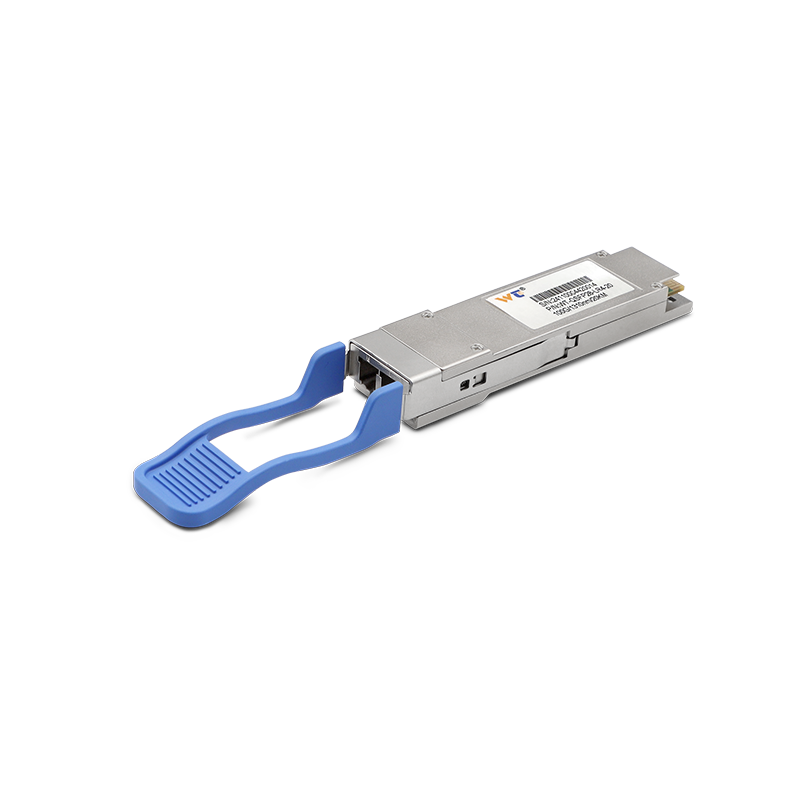
Optical networks carry the data that supports cloud services, industrial automation, telecommunications, and enterprise connectivity. As bandwidth demands rise and infrastructure becomes more complex, SFP transceiver manufacturers play an important role in developing compact optical components that connect network devices across different distances and operating environments. Understanding their contribution helps network planners evaluate compatibility, transmission performance, and long-term maintenance requirements before expanding an optical system.
How Optical Transceivers Support Network Connectivity
An optical transceiver converts electrical signals into optical signals for transmission through fiber, then converts incoming optical signals back into electrical form. This two-way process allows switches, routers, and other network equipment to communicate over distances that copper connections may not practically support. Depending on the application, the selected module can affect link reach, data capacity, power consumption, and installation flexibility.
Small Form-factor Pluggable modules are widely used because their compact, removable design makes network upgrades more manageable. Technicians can replace or upgrade compatible modules without necessarily replacing an entire switch or router. However, physical fit alone does not establish compatibility; supported data rates, optical specifications, firmware requirements, and host-device limitations also need to be considered.
The role of SFP transceiver manufacturers extends beyond assembling optical components. Their engineering work involves selecting lasers, photodetectors, electronic circuitry, and optical interfaces that function together within defined operating parameters. Testing these elements helps identify problems such as excessive signal loss, unstable transmission, or performance degradation under changing temperatures.
Technical Factors That Shape Transceiver Selection
Transmission distance is one of the first specifications worth examining. Short connections within a server room may require different optical characteristics from links spanning buildings or connecting remote industrial facilities. Fiber type, wavelength, connector design, and link budget all influence whether a module can support the intended connection without excessive attenuation or signal distortion.
Data rate deserves equal attention, particularly as network traffic grows. A module designed for a specific speed cannot automatically operate at every lower or higher rate, even if its connector fits the host device. Network teams should check interface standards, host compatibility, and any restrictions imposed by switches or routers before purchasing replacement components or planning an infrastructure upgrade.
Environmental conditions can also affect optical performance. Equipment installed in substations, factories, and outdoor communication cabinets may experience wider temperature fluctuations, electrical interference, or vibration than devices housed in climate-controlled server rooms. Specifications for operating temperature, power consumption, and electromagnetic compatibility should match the installation environment rather than relying on general assumptions about optical networking hardware.
Quality Control and Manufacturing Consistency
Reliable optical connectivity depends on more than the performance of an individual module during initial testing. Manufacturing consistency matters because network deployments may involve hundreds of components distributed across multiple sites. Variations in optical output, receiver sensitivity, electrical behavior, or thermal performance can create troubleshooting challenges when otherwise similar links behave differently.
Quality-focused SFP transceiver manufacturers typically evaluate products against defined technical requirements, including optical characteristics, electrical interfaces, and environmental operating limits. Testing procedures may involve transmit power, receiver sensitivity, wavelength accuracy, bit error rate, and temperature cycling, depending on the product specification. Buyers should examine relevant test documentation and compliance evidence instead of treating a general quality statement as proof of every capability.
Supply-chain management also influences long-term network maintenance. Consistent component availability, traceable production batches, documented firmware compatibility, and responsive technical support can simplify procurement across multiple deployment phases. For infrastructure operators, these considerations become particularly important when a network must remain serviceable for years and replacement modules need to match existing equipment.
Evaluating Manufacturing Capabilities for Long-Term Deployment
Selecting a supplier involves more than comparing unit prices or advertised transmission speeds. Procurement teams should review engineering capabilities, production processes, product documentation, customization options, and after-sales support. Clear communication about host-device compatibility and operating conditions can also help reduce avoidable purchasing errors and installation delays.
WINTOP is a vertically integrated optical module manufacturer with 21 years of industry expertise, according to its company-provided profile. Its portfolio includes SFP transceiver modules and high-speed optical interconnects. The company reports more than 1,000 smart substation projects, exports to over 40 countries, and more than 60 core technology patents. These company-reported capabilities provide context for buyers assessing manufacturing experience and industrial networking applications; individual product specifications should still be checked against the relevant datasheet.
Before approving a supplier, network teams can establish a practical evaluation process: confirm technical compatibility, request applicable test reports, review production traceability, and clarify warranty and replacement arrangements. Pilot testing under representative operating conditions can reveal integration issues before a wider rollout. This approach makes supplier assessment more evidence-based and helps align component selection with the network’s actual requirements.
Conclusion
Optical network reliability is shaped by the interaction of component design, manufacturing consistency, installation conditions, and ongoing support. A careful assessment of these factors helps infrastructure teams build systems that can accommodate changing bandwidth requirements without overlooking compatibility or maintenance needs.
WINTOP brings its stated manufacturing experience, patent portfolio, and industrial deployment background to the optical networking sector. Visit its official website to explore available solutions and consult the relevant specifications for upcoming network projects.
