
A worker has to recognize a gas warning while carrying out the job, often amid noise and distractions. The best single gas detector for that worker measures the identified gas, gives a recognizable warning and fits the site’s inspection and maintenance routine. Those requirements make a better basis for comparing Blackline and RKI candidates than a list of features detached from the job.
The same shortlist can serve several departments, with a different configuration chosen for each. Comparing the instrument a person actually wears means examining the ordered sensor, what its display communicates, and how the device passes from a charger to the worker and back into service.
Match One Channel to the Job
A portable monitor follows the wearer from one task to the next, so the hazard assessment has to cover the places that person will enter. A single channel suits a defined assignment with one identified gas to measure. An area with credible exposure to several gases calls for a review of the channels needed to cover those conditions.
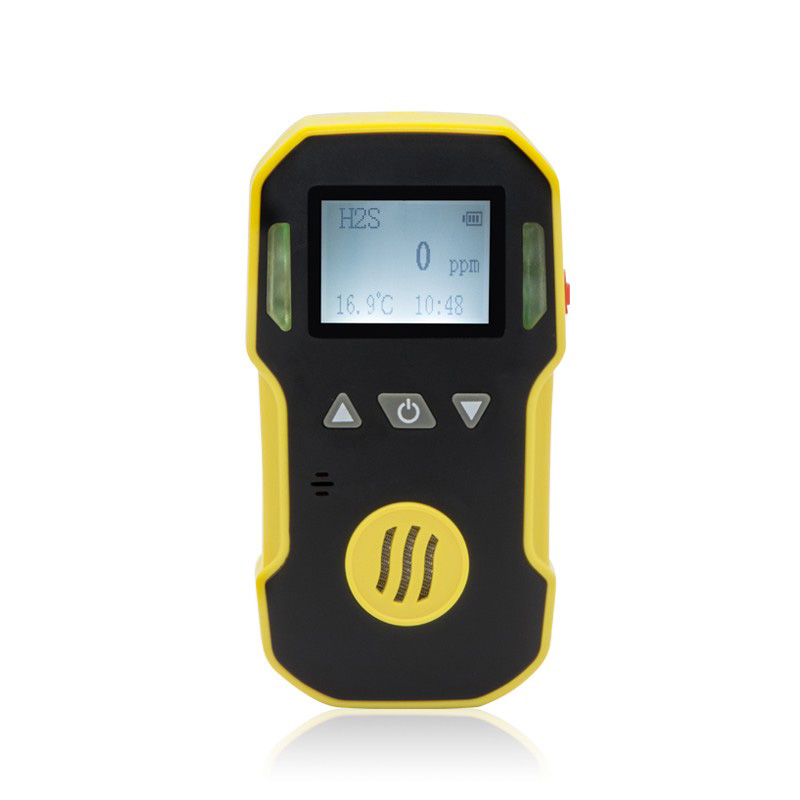
A single gas H2S monitor belongs on a specification only where hydrogen sulfide is the intended measurement. Even within a product family that covers several gases, an individual unit may arrive with one sensor installed. Matching the gas shown on the unit to the order prevents an otherwise similar device from entering the wrong equipment pool.
The order needs to pair the selected gas with its measurement range and units. That gives the receiving team a reference when the instrument is powered up and gives the maintenance team a way to match its test equipment to the unit. For a hydrogen sulfide assignment, the relevant reading is in parts per million.
Read the Scale and the Alarm Settings Separately
The number on the display represents a concentration at the instrument. The alarm setpoints specify conditions that will prompt a warning, and the site’s procedures determine the action following that warning. Interpreting both the displayed reading and the alarm thresholds starts with confirming which gas and units the screen displays.
Specifying hydrogen sulfide on an order for the Bosean BH-90A selects a dedicated diffusion channel for that gas. This version covers 0–100 ppm and reports in 1 ppm increments. For a single gas detector, the upper end of the range describes the scale available, while the resolution of a single gas H2S monitor describes the increment on the display.
On this configuration, the low and high alarm points are adjustable. The calibration setting is adjustable as well, and the device has password management. The settings recorded for an order give the receiving and maintenance teams a common basis for checking the monitor. An alarm threshold belongs to a particular configuration and workplace procedure.
Follow the Warning Through a Shift
A warning can reach a wearer through the screen, a light, a sound or vibration. The value of those signals depends on where the person works and how the instrument is carried. A check under representative working conditions can reveal whether a visual indication is readable or a vibration is perceptible with the expected clothing.
The alarm indications on a single gas H2S monitor also need to be distinguishable from faults and low battery warnings. The Bosean unit combines an LCD with visual, audible and vibration indications. The status shown on the instrument gives the next shift information about whether the monitor is ready for the assigned work or needs attention.
A functional gas test can show that test gas reaches the sensor and that the warning signals operate. A calibration check addresses a separate question by comparing the instrument reading with a known concentration. Recording which check was performed keeps the evidence for warning operation distinct from the evidence for measurement accuracy when the device is issued again.
Serviceability matters at that handover. The instrument, calibration equipment and records have to be available together if the unit is to be tested and returned to use on schedule. A fleet running several gas configurations benefits from a way to identify the sensor installed in each unit and match it to the appropriate test gas.
Compare Complete Configurations Before Accepting Delivery
A practical comparison follows the same assignment through each candidate. The specification sent to Blackline and RKI can name the target gas, range and required warning indications, then ask how the ordered configuration is checked and maintained. The documented Bosean example shows the level of detail a response can give, down to the actual scale and alarm controls.
A trial can focus on a few observable conditions that matter to the job. The display can be checked for the gas name and unit, the warning signals for recognition, and the handover records for enough detail to identify the instrument. An acceptance checklist for a single gas detector connects those checks to the specific configuration supplied.
An order is ready to assess once the sensor, scale, warning functions and service provisions are stated together. Model names can then be compared against the same assignment and the same checks. The best choice is the one whose configuration can be verified and put to work by the people who will wear and maintain it.
SEO Title: Single Gas Monitors: Blackline, RKI and Bosean
Meta Description: Compare single gas monitor options from Blackline, RKI and Bosean by target gas, measuring range, alarm functions and maintenance support.
