
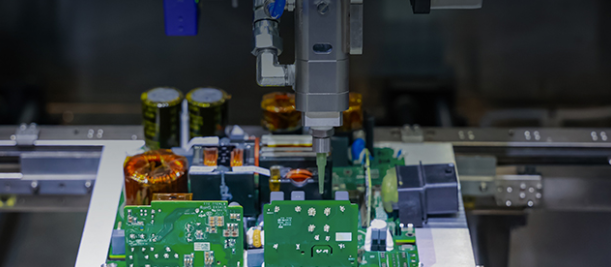
Nozzle clogging can disrupt production schedules, distort deposited bead shapes, and cause inconsistent bonding across assembled components. Prevention depends on more than cleaning the nozzle after a fault occurs; material compatibility, fluid-path design, operating conditions, and shutdown procedures all influence whether flow remains stable.
A well-configured fluid dispensing machine can support repeatable delivery, while Axxonauto offers industrial dispensing technology relevant to automated manufacturing environments where process consistency matters.
How to Identify the Root Causes Before Flow Becomes Unstable?
Clogging often begins with gradual changes inside the fluid path rather than a sudden blockage at the nozzle opening. Adhesive residue may accumulate around narrow passages, while partially cured material can restrict flow after prolonged exposure to heat, air, or moisture. Identifying the material and operating conditions involved helps determine whether the problem stems from curing, contamination, or mechanical restrictions.
Viscosity also affects the likelihood of blockage. Highly viscous fluids may move slowly through small openings, particularly when temperatures fall below the recommended processing range. However, increasing pressure without investigating the cause can create other problems, including splashing, inconsistent shot sizes, or damage to dispensing components.
Contamination deserves equal attention because tiny particles can obstruct narrow outlets and interfere with metering accuracy. Open containers, unsuitable transfer tools, damaged seals, and unfiltered material sources may introduce debris into the system. Clean handling practices and compatible filtration, where permitted by the adhesive specification, help reduce this risk without altering the material’s intended properties.
| Cause | Typical sign | Control measure |
| Partially cured adhesive | Gradual flow restriction | Respect pot life and cleaning intervals |
| Contamination | Sudden or intermittent blockage | Filter where permitted, handle material carefully |
| Incorrect nozzle | Repeated clogging with filled adhesive | Match nozzle diameter to particle size and viscosity |
How to Adapt Nozzle Selection and Material Handling to the Application?
Nozzle geometry should match the fluid’s viscosity, filler content, required deposit size, and flow characteristics. A smaller opening may improve placement precision, but it also leaves less room for particles and thickening material to pass through. Selecting an appropriate diameter and internal design requires balancing deposit accuracy against the risk of obstruction.
During adhesive dispensing, material preparation should follow the supplier’s requirements for mixing, temperature, storage, and usable time. Reactive adhesives can gradually thicken after activation, even if their appearance remains relatively uniform. Operators should track preparation times and avoid returning used material to the original container, since this can introduce contaminants or partially cured residue.
Material transfer methods can influence flow stability as well. Containers and feed lines should be compatible with the adhesive, while fittings should remain secure and free from trapped residue. If a process uses filters, their pore size and material compatibility must be reviewed carefully; an unsuitable filter can restrict flow or remove functional fillers from a formulated adhesive.
How to Maintain Stable Flow Through Equipment and Process Controls?
Consistent operating conditions help distinguish equipment faults from changes in the fluid itself. Pressure, temperature, dispensing duration, and idle intervals should remain within validated process limits. Sudden adjustments made solely to force material through a partially blocked nozzle can mask the original problem and introduce variation elsewhere in the system.
The MYC50E THT dispensing machine is designed for fast, stable operation in high-volume THT bonding applications. Its multi-axis control supports complex dispensing paths, while external feeding system integration accommodates continuous production workflows. An extended hood with counterbalances also supports orderly hose management, which can be useful when arranging fluid lines around moving equipment.
Routine inspection should focus on the nozzle tip, connectors, seals, tubing, and any locations where adhesive can stagnate. Changes in shot weight, bead width, pressure readings, or flow interruptions may reveal early restrictions. Comparing these observations with established baseline measurements makes it easier to identify gradual deterioration before it affects a large production run.
How to Build a Cleaning and Restart Procedure That Protects Accuracy?
Cleaning procedures should reflect the adhesive chemistry rather than rely on a universal solvent or method. The selected cleaning agent must be approved for the material and compatible with the nozzle, seals, and tubing. Incorrect chemicals can damage components, leave residues, or create reactions that complicate later production.
Shutdown routines deserve the same attention as cleaning itself. If an adhesive cannot remain in the fluid path during extended idle periods, the documented procedure should specify when to purge, remove, or replace material. Nozzle caps or other protective measures may help limit exposure, provided they are suitable for the application and do not trap material in a way that encourages curing.
After maintenance, restart the process at controlled settings and inspect the first deposits before resuming full production. Check whether flow begins promptly, the bead remains consistent, and the delivered volume matches the accepted range. Recording the cause of each blockage, the corrective action, and the time between occurrences can reveal recurring patterns that require changes to maintenance frequency or process settings.
Conclusion
Preventing nozzle clogging requires a coordinated approach to material handling, nozzle selection, equipment condition, and routine verification. Rather than treating every obstruction as an isolated cleaning issue, production teams can use process records and flow measurements to identify recurring causes and adjust procedures accordingly.
Axxonauto provides automated dispensing equipment for industrial applications, but reliable performance ultimately depends on matching the system to the fluid and maintaining conditions appropriate to the specific bonding process.
FAQs
What Is the Most Common Cause of Nozzle Clogging?
Common causes include partially cured adhesive, excessive viscosity, contamination, and residue accumulating in narrow passages. The most likely cause depends on the material chemistry, operating temperature, and time spent idle.
Can Increasing Dispensing Pressure Clear a Blocked Nozzle?
Increasing pressure may temporarily change the flow, but it is not a dependable remedy for a physical blockage or curing material. The process should be stopped and inspected according to the equipment manufacturer’s safety and maintenance instructions.
