
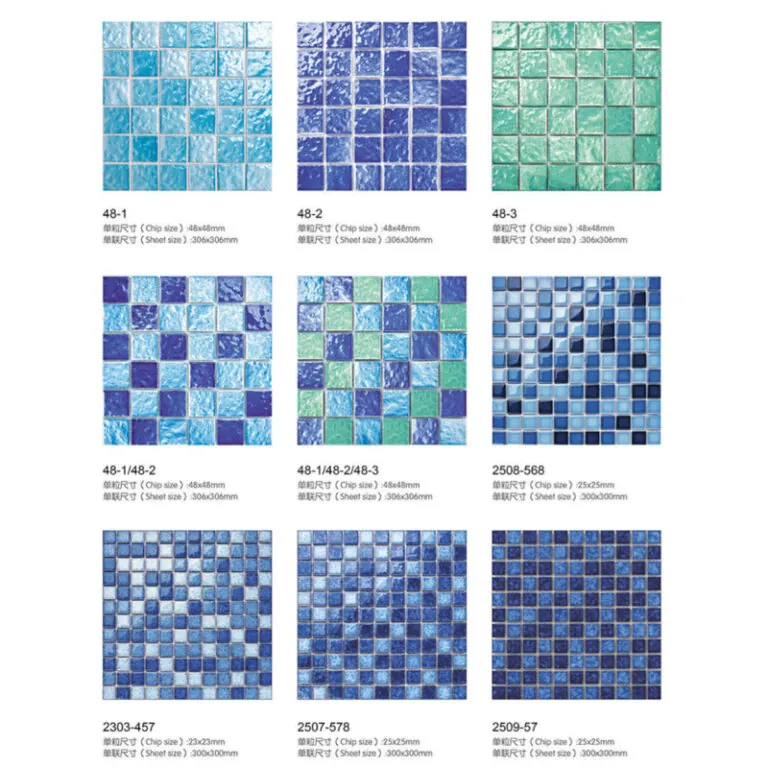
Mosaic selected for a decorative backsplash may not be the right choice for a shower floor or a busy entrance. Exposure to water, cleaning routines, footwear, and installation conditions can change what a project needs. Start by describing the environment, then compare product documentation with the intended use.
The goal is not to assume that one material works everywhere. A wet room, commercial wash area, and high-traffic lobby present different conditions. Even within one building, wall and floor surfaces have different roles. A careful comparison starts by separating those applications instead of sorting products only by appearance or price.
Map the Conditions of Use
Before requesting product recommendations for wholesale mosaic tile supplies, make a simple schedule of the areas. Note whether each surface is a wall or floor, how often it is exposed to water, how heavily it is used, and what cleaning routine is expected. Add any project-specific requirements from the designer, facility operator, or installer.
Distinguish wet exposure from traffic
A wet wall and a wet floor are not interchangeable applications. Floors may require consideration of drainage, joint details, and the complete installation assembly, while walls have different practical demands. Ask the supplier to confirm intended use for the exact product and share the project conditions when requesting information.
High traffic also needs a clear definition. A private bathroom, restaurant entrance, and retail corridor can have different patterns of use and cleaning. Avoid relying on vague descriptions like “commercial grade.” Request the relevant product data and have the project team determine whether it addresses the site’s requirements.
Identify the decision criteria
Create a comparison sheet with the product name or code, intended surface, finish, size, available technical information, care instructions, and supplier notes. Mark unanswered points instead of filling gaps with assumptions. This makes the next discussion with the supplier more focused and keeps separate products easy to distinguish.
Review Product Information Carefully
Product descriptions can be useful for shortlisting, but a project decision should rely on information tied to the specific item. When evaluating wholesale mosaic tile supplies, ask for the applicable specification sheet, installation guidance, and maintenance instructions for each selected product. If the project has a required performance criterion, request the test information or documentation that addresses it.
Check the complete installation context
A tile is one part of a floor or wall assembly. Substrate, waterproofing, setting materials, jointing, slope, and workmanship can influence the result. The design and installation teams should review these factors together, especially in wet locations. A surface description alone does not confirm suitability for a complete installation.
If a project has required standards or local code considerations, share them with the supplier and qualified project professionals. Ask which product documents are available and who can interpret them for the proposed application. Keep the written answer with the selected product record.
Compare maintenance needs
Care instructions help the operator understand routine cleaning. Ask which cleaning methods and products are recommended for the specific tile and grout combination. Consider whether the maintenance plan is realistic for site staff or household members, and account for access to replacement material if repairs are needed later.
For wet or frequently used areas, consider grout and joint maintenance alongside the mosaic itself. Ask the installer to explain how joints will be cleaned and inspected under the planned routine. Check product, grout, and cleaning guidance together.
Evaluate Samples in Context
A sample allows the team to inspect color, finish, and the arrangement of mosaic pieces. Review it in the actual room where possible, because lighting and surrounding surfaces can alter its appearance. For floors, consider the sample as a layout, including joints and edges, rather than judging one piece alone.
When comparing wholesale mosaic tile supplies, ask the supplier to identify the sample by product code and provide its intended application. Keep the approved reference with the quotation and technical information. If a sample changes, replace the old reference clearly so installers do not work from outdated material.
Ask how a larger order will be identified and checked against the approved product. Confirm which package labels or order records will help the receiving team match delivered materials to the purchase documents. These steps support traceability without assuming that a sample answers every performance question.
Align Supplier, Designer, and Installer
A product comparison is strongest when each party understands the same operating conditions. Share the area schedule and required documentation with the supplier, designer, and installer. Ask each to identify unresolved questions before the order is approved. Written confirmation helps distinguish product facts from assumptions about the site or installation.
Compare Against the Actual Project
A reliable comparison reflects the site’s water exposure, traffic levels, cleaning plan, and installation conditions. Separate wall and floor requirements, review product-specific documents, and assess samples as part of the full layout. When suppliers and project teams share the same requirements in writing, they can evaluate product options with fewer assumptions.
JLA Ceramics offers a range of mosaic tiles in different materials, colors, and patterns for various project requirements. Their product range gives designers and purchasers options to consider when comparing mosaic applications. They also provide custom design and OEM services, supported by quality control, global shipping, and technical support. Buyers can contact JLA Ceramics to discuss product options and project requirements.
