
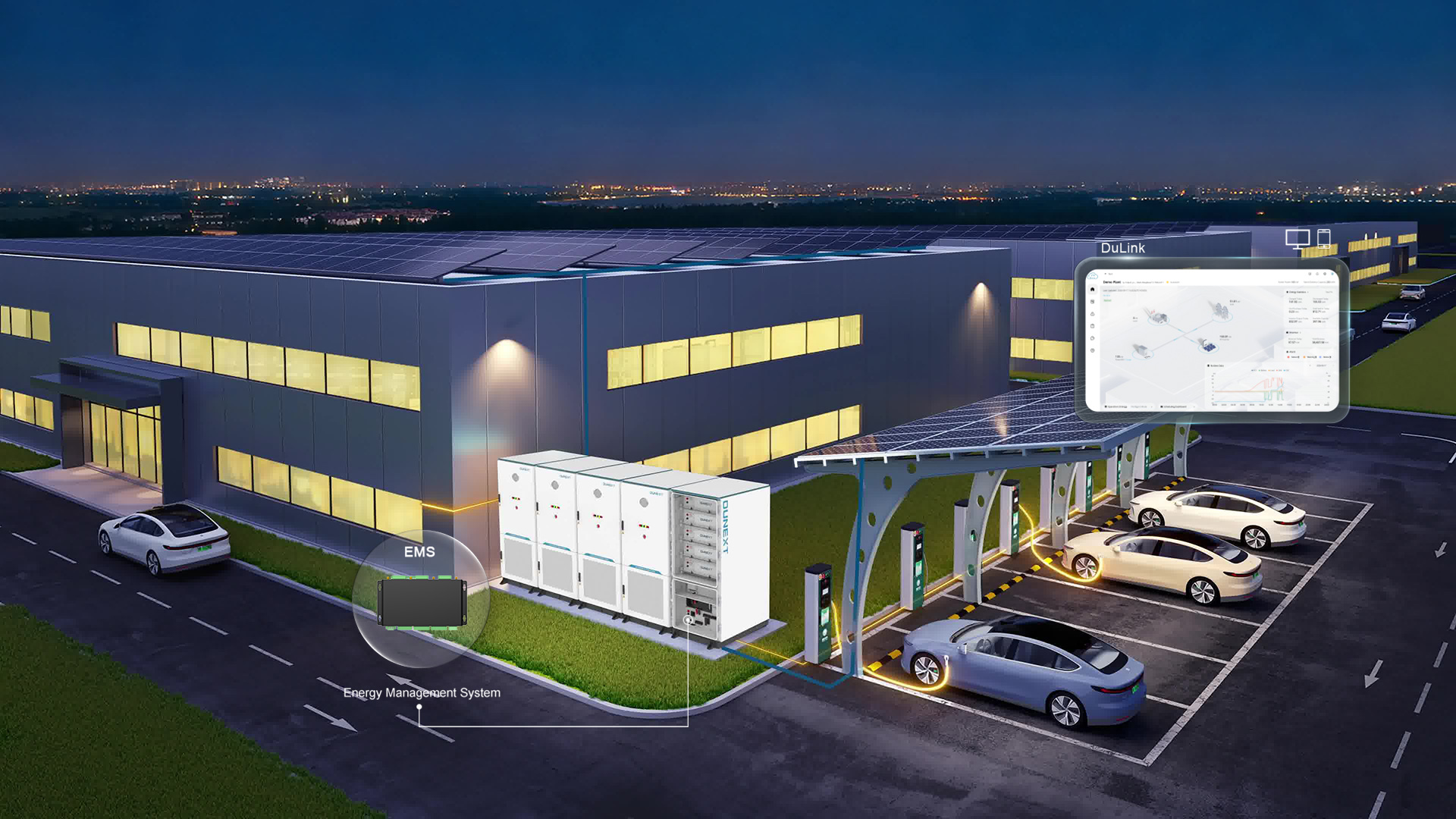
Electricity networks must balance generation and consumption continuously. Solar output changes with cloud cover, wind generation fluctuates, and industrial demand increases when equipment starts.
Modern energy storage solutions help manage these fluctuations by storing available electricity and delivering it when the network requires additional power.
An energy storage facility combines battery equipment, power conversion technology, and intelligent controls. Its value comes from providing flexible electricity delivery rather than generating energy independently.
Understanding how these installations operate helps developers identify suitable applications and avoid incorrect equipment selection.
How Does an Energy Storage Facility Work?
Battery storage converts incoming electrical energy into stored chemical energy before releasing it through a controlled electrical process. The system coordinates battery conditions, conversion equipment, and external power requirements.
Charging and Discharging Explained
During charging, power conversion equipment regulates electricity entering the battery. When connected to an AC network, the converter supplies controlled DC power to the battery cells. A battery management system monitors voltage, current, and temperature to maintain operation within permitted limits.
During discharge, the converter transforms battery DC power into AC electricity suitable for the receiving network. The energy management system determines when electricity should be delivered, while local protective controls enforce equipment restrictions.
Both processes consume some energy through electrical resistance, conversion losses, and auxiliary equipment. Consequently, the electricity delivered during discharge is lower than the electricity originally required for charging.
Understanding Capacity, Power, and Duration
Three measurements explain the fundamental capability of a storage installation:
- Energy capacity: The total nominal stored energy, measured in kWh or MWh.
- Rated power: The maximum specified charging or discharging output, measured in kW or MW.
- Discharge duration: The approximate time the battery can sustain a defined power level.
For example, a battery rated at 5MWh with 2.5MW output has a nominal full-power discharge duration of approximately two hours. Actual delivery depends on usable capacity, conversion losses, and operating restrictions.
These distinctions matter during project design. A short frequency response service requires different power and energy characteristics from an application involving several hours of electricity shifting.
How Does Storage Support Electricity Networks?
Storage provides operational flexibility by responding to changes in generation and demand. Its effectiveness depends on the network connection, inverter configuration, and approved operating arrangements.
Balancing Renewable Generation and Demand
Solar and wind installations produce electricity according to environmental conditions rather than consumption schedules. Their output does not always match the periods when electricity demand is highest.
An energy storage facility can absorb surplus renewable electricity and deliver it later. For example, a photovoltaic installation could charge batteries during strong midday generation and discharge during evening demand.
This function improves control over renewable electricity consumption, although its financial value depends on market prices, energy losses, and export restrictions.
Industrial installations also use storage to reduce demand peaks. By discharging during short periods of high consumption, batteries reduce the amount of electricity drawn from the external network.
Frequency Regulation and Voltage Support
Grid frequency reflects the balance between active-power generation and electricity consumption. Insufficient generation causes frequency to fall, while excess generation tends to increase it.
Suitable storage systems respond by adjusting active-power output according to approved control signals. Certain inverter configurations can also provide reactive power to support voltage regulation.
These functions serve different purposes. Frequency response addresses active-power imbalance, while voltage support concerns electrical conditions at the connection point.
Participation requires appropriate equipment capabilities and compliance with local grid requirements. A battery’s ability to deliver power does not automatically qualify it for every network service.
What Determines Reliable Storage Performance?
A battery that meets its rated capacity on paper can still fail to deliver if the surrounding electrical design is incomplete. Battery capacity alone cannot establish whether the system will meet its intended obligations.
Electrical Integration and Safety
Engineers assess transformers, cables, switchgear, grounding, protection settings, and communications alongside battery equipment. Thermal management regulates temperatures during charging and discharging.
Protection systems also require coordination. Fault detection, electrical isolation, and emergency procedures are required function under abnormal conditions.
The energy management system schedules power delivery according to operating priorities. For example, energy reserved for a contracted service cannot simultaneously be committed to unrestricted electricity trading.
A reliable design also considers communication interruptions, maintenance access, and changes in operating requirements over time.
Selecting Equipment for Different Projects
Commercial facilities often use integrated battery cabinets, while larger ground-mounted installations employ containerized systems.
Dunext develops both approaches. Its PowerHill 233kWh cabinet provides 233kWh battery capacity and 105kW rated charging and discharging power. PowerMount 5MWh provides 5,015kWh capacity with 2,500kW standard charging and discharging power.
These configurations address different installation scales and operating demands. Equipment selection follows the required power, usable energy, connection capacity, and project layout.
Storage also requires a realistic environmental assessment. Batteries do not create electricity, and their contribution depends partly on how the charging energy is produced.
Energy Storage for Power System Support
Energy storage facilities support electricity networks by balancing demand, improving renewable energy integration, and providing controlled grid services. Reliable results require accurate capacity calculations, suitable power conversion equipment, coordinated protection, and realistic operating strategies.
Dunext offers integrated commercial and utility-scale storage equipment for different project requirements. Successful deployment begins with understanding the electrical problem and verifying that the complete system can address it safely and efficiently.
