
International scaffolding procurement involves more than selecting steel components from a catalog. Buyers need to understand how material selection, manufacturing controls, inspection records, and shipment preparation affect equipment received at the construction site. Problems at one stage can delay assembly or create extra checks after delivery.
The term scaffolding China often appears in global sourcing discussions, but the country of production alone reveals little about a specific order. Procurement teams benefit from examining the complete supply process, from approved drawings to documented packing lists and site acceptance.
Production Starts with Clear Technical Requirements
Manufacturing should begin with an agreed component schedule. Buyers need drawings that identify tube dimensions, connection details, working configurations, and required finishes. Project engineers should also specify applicable standards and the design assumptions used for the planned scaffold arrangement.
Material selection follows these requirements. Steel grades, wall thicknesses, and component geometry must match the approved design. Suppliers should identify the material specification for critical parts and explain how batches are traced through production when traceability is required.
Before production begins, purchasing teams can request sample components or dimensioned drawings for review. This step is useful when new equipment must connect with a company’s existing stock. Similar appearance does not establish compatibility between systems from different sources. Procurement specifications should therefore identify the system family and the parts that require an interface check.
Fabrication and Surface Treatment Affect Service Life
Cutting, forming, and welding turn raw steel into scaffold components. Consistent jig positioning helps maintain the locations of connection points. Welding procedures and visual checks matter because irregular joints can interfere with assembly or require further evaluation.
Surface protection also needs attention. Hot-dip galvanizing creates a zinc coating that helps steel resist corrosion during outdoor use. Coating performance depends on preparation, coverage, handling, and the environment in which components are stored and used.
For modular equipment, small dimensional differences can accumulate across connected bays. Factories should check representative samples against approved tolerances. Inspection records are more informative when they identify the component type, inspection method, and acceptance criteria. Where a project specifies coating thickness or dimensional testing, the sampling plan and reporting format should be agreed before fabrication.
Modular Systems Need Component-Level Checks
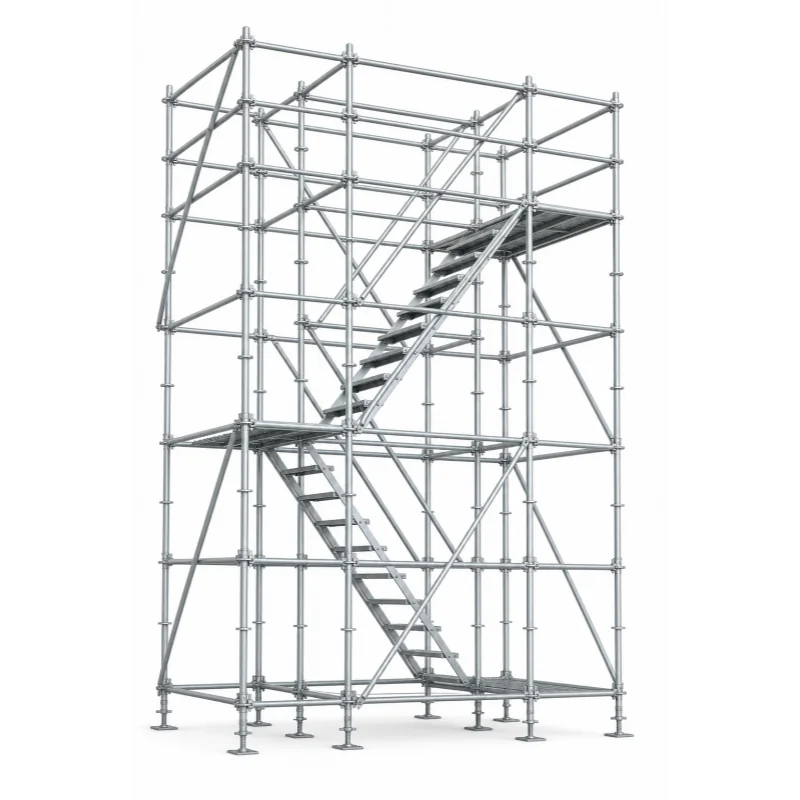
Ringlock scaffolding uses rosettes, ledgers, standards, and diagonal braces to build modular access or support arrangements. Its usefulness depends on the proper engagement of connections and the suitability of the complete configuration for the intended loads.
For example, the Ringlock Scaffolding System supplied by Rongze uses high-strength steel with a hot-dip galvanized finish. The modular system is intended for construction, industrial maintenance, infrastructure projects, and formwork support. Buyers should still verify the proposed layout and component specifications against their project requirements.
Inspection should extend beyond the main standards and ledgers. Braces, base components, connection features, and identification markings also deserve review. Missing accessories can disrupt site assembly even when the larger pieces arrive in acceptable condition. Sample assembly can also reveal fit problems that isolated dimensional measurements might not show.
A scaffolding manufacturer should provide a clear bill of materials that matches the approved configuration. This allows buyers to compare ordered quantities with inspected quantities before the shipment leaves the factory.
Export Packing Is Part of Quality Control
Completed components can be damaged or mixed during handling if packing instructions are vague. Bundles should be organized by component type, with identification that remains readable after transport. Packing methods must account for item length, weight, and safe unloading arrangements.
Export documentation should connect the commercial order with the physical shipment. Buyers generally need an accurate packing list, invoice, and transport documents. Additional certificates or inspection reports depend on the contract and destination requirements. Importers should verify local rules with their customs representative rather than assume the same paperwork applies in every market.
Teams sourcing scaffolding China products should agree on packing photos and quantity checks before dispatch. Such records can help identify where a discrepancy occurred without assuming that every shortage began at the destination site.
Global Delivery Requires Coordinated Handover
Delivery planning starts before loading. Suppliers and importers should agree on shipping terms, who arranges transport, and which party handles customs formalities. A delivery date alone cannot explain responsibility for freight charges, unloading, or import procedures. Clear handover points help the parties respond to delays without confusion over who must act.
At the receiving site, teams should compare bundle labels and counts with the packing list. They should examine visible transport damage and isolate questionable parts for further assessment. Site acceptance should follow the project’s inspection procedure rather than rely only on shipment totals.
When evaluating a scaffolding manufacturer, buyers can ask how production status, inspection findings, and dispatch details are communicated. Rongze supplies scaffolding and formwork-related materials for construction procurement, making these coordination questions relevant to its international buyers.
Connect Factory Records with Site Readiness
Effective international procurement links three sets of information: approved technical requirements, factory inspection results, and received quantities. Keeping those records aligned gives contractors a clearer basis for resolving discrepancies and planning assembly work.
Before placing a repeat order, buyers should review which parts arrived in usable condition, whether documents matched the shipment, and whether the original system configuration met site needs. Those findings make future purchasing decisions more precise.
